Make a Payment
Contact us for help locating your carrier's payment options.

(512) 270-0659

(512) 270-0659

Step-by-step guidance on filing a claim
If this is an emergency, call 911.
Start your homeowners insurance quote today and compare coverage options from multiple carriers. We'll help you find protection for your home, personal belongings, liability, and additional living expenses at a price that fits your needs and budget.
Request a Home Quote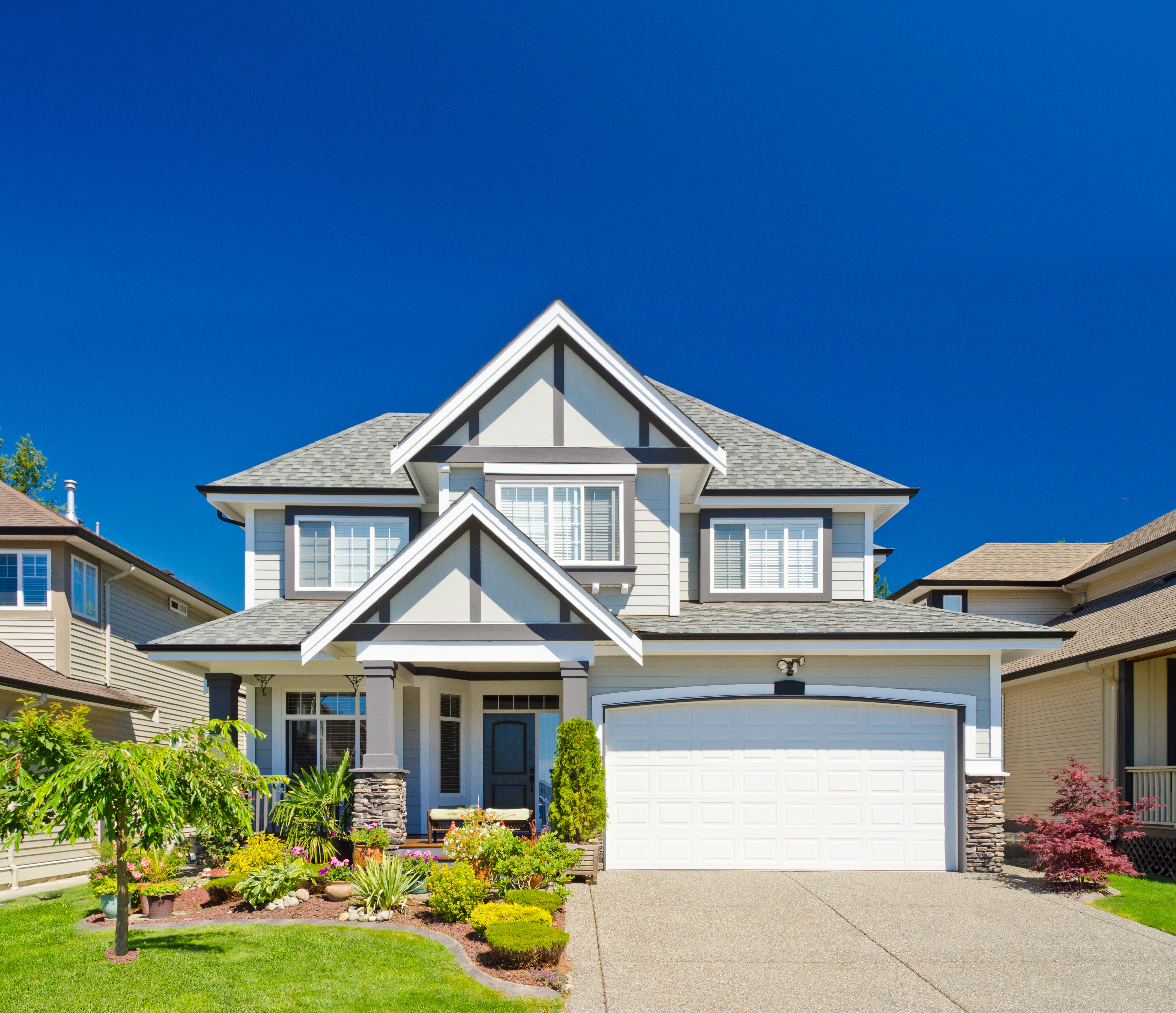
Homeowners insurance is important for people who own and live in their home and want protection against covered property losses, liability claims, and certain unexpected expenses. It can also be important when a mortgage lender requires proof of coverage.

Guidance for people purchasing a home and needing insurance before closing.
Help reviewing an existing homeowners policy and comparing other available options.

Coverage options for homeowners whose lender requires insurance on the home.

Useful for people who have renovated their home, purchased valuable items, or want to review limits and deductibles.
Helps repair or rebuild the main structure of your home after damage caused by a covered loss, subject to the policy limits and terms.
Helps cover detached structures on the property, such as a fence, shed, detached garage, or similar structures.
Helps protect furniture, clothing, electronics, appliances, and other belongings inside the home, subject to policy limits and any special category limits.
May help protect you if you are legally responsible for someone else's injury or property damage.
May help pay minor medical expenses if a guest is accidentally injured on your property, regardless of fault, subject to policy terms.
May help pay for temporary housing, meals, and other necessary living expenses if your home becomes uninhabitable because of a covered loss.
Coverage depends on the cause of loss, policy form, limits, deductibles, exclusions, and endorsements selected.
A homeowners policy can do more than protect the building itself. It may also help protect belongings inside the home, detached structures, personal liability, and temporary living expenses after a covered loss.
Protection for the main dwelling structure.

Coverage for certain structures that are not attached to the home.

Protection for covered possessions such as furniture, electronics, and clothing.

May help when someone is injured or their property is damaged and you are legally responsible.

May help cover added expenses if you cannot stay in the home after a covered loss.

May help with certain medical costs if a guest is injured on the property.
Home insurance premiums can vary from one carrier to another because companies evaluate homes, locations, claims history, and coverage selections differently. Comparing options can help you understand what is affecting the price and whether the coverage fits your needs.
 Home Age
 Roof Condition
 Location
 Claims HistoryCoverage Limits
 Deductible ChoiceConstruction Type
 Home Features and Safety Devices
Standard homeowners insurance generally does not cover flooding caused by rising water. Separate flood insurance may be needed.

Damage caused by earthquakes, earth movement, or similar events is often excluded unless special coverage is purchased.

Normal aging, maintenance issues, deterioration, and neglect are generally not covered.
Jewelry, collectibles, firearms, fine art, and certain other valuables may have special limits and may require scheduled coverage.
Exclusions and special limits vary by carrier and policy form. Review policy documents carefully before relying on coverage.

The full address of the home and whether it is owner-occupied
Year built, square footage, construction type, number of stories, and other property details
Roof age, material, and any recent updates or replacements
Current carrier, policy dates, deductibles, limits, and declarations page if available
Information about recent property claims or losses
Alarm systems, smoke detectors, updated plumbing or electrical systems, and other home features
Have your declarations page ready and we'll review your current dwelling limits, personal property coverage, liability protection, deductible, endorsements, and pricing to help prepare a more accurate comparison.
Request a Home Coverage ReviewHomeowners insurance commonly includes protection for the dwelling, other structures, personal belongings, personal liability, medical payments to others, and additional living expenses after a covered loss. The exact protection depends on the policy form, covered causes of loss, limits, deductibles, exclusions, and endorsements.
Standard homeowners insurance generally does not cover flooding caused by rising water, storm surge, or overflow of a body of water. Separate flood insurance may be needed depending on the property location and flood exposure. The cause of the water damage matters when determining whether coverage applies.
It may cover roof damage caused by a covered loss such as hail, wind, or another covered event, depending on the policy and condition of the roof. It generally does not cover damage caused by wear and tear, neglect, or poor maintenance. Coverage may also depend on the age and type of roof.
Many insurance companies offer both home and auto coverage, and bundling them may qualify you for a multi-policy discount. The amount of the discount and overall value vary by carrier. It is still important to compare both price and coverage rather than assuming bundling is automatically the best option.
It is a good idea to review your policy at least once a year and after major life or property changes. Renovations, home additions, rising construction costs, major purchases, or changes in occupancy can all affect whether your current limits are still appropriate.
A deductible is the amount you are responsible for paying toward a covered property loss before the insurance company pays the remaining covered amount. Choosing a higher deductible may lower the premium, but it also increases your out-of-pocket cost after a claim.
Not always. Personal property is covered subject to the policy limits, deductible, and any special limits for certain categories such as jewelry, collectibles, firearms, or fine art. Some items may need additional scheduled coverage or endorsements for broader protection.
You will usually need the property address, year built, square footage, roof information, home features, occupancy details, current insurance information, prior claims history, and the desired effective date. A current declarations page is especially helpful when comparing coverage.


